Divulgación de afiliados: Nuestro contenido contiene enlaces de afiliados y podemos ganar una comisión por los registros de operadores y los depósitos realizados a través de estos enlaces.
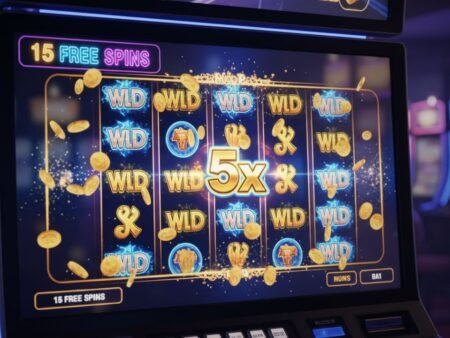
Máquinas tragamonedas son el corazón de cualquier sala de Casino. Sus luces intermitentes, temas inmersivos y la tentadora promesa de una gran ganancia atraen a millones de jugadores cada año. Pero hay algo de lo que muchos jugadores ocasionales no se dan cuenta: no todas las máquinas tragamonedas son iguales.
Elegir la máquina tragamonedas adecuada no se trata sólo de elegir el gabinete más bonito o el que tiene el mayor signo de jackpot progresivo. Hay una estrategia genuina involucrada, y los jugadores que la entienden tienden a llevarse una experiencia mucho mejor que aquellos que no la entienden.
Esta guía desglosa todo lo que un entusiasta de las tragamonedas necesita saber para tomar decisiones más inteligentes, ya sea que esté ingresando a una sala de Casino por primera vez o buscando perfeccionar un enfoque experimentado.
Comprender cómo funcionan realmente las máquinas tragamonedas
Antes de sumergirse en la estrategia, es útil comprender la mecánica detrás de las máquinas. Las máquinas tragamonedas modernas, tanto físicas como en línea, funcionan con un Generador de números aleatorios (RNG). Este software genera miles de secuencias de números aleatorios cada segundo, determinando el resultado de cada giro independientemente del anterior.
Es fundamental comprender esto: las tragamonedas no tienen memoria. Una máquina que no ha pagado en horas no “debe” ganar. Del mismo modo, una máquina que acaba de pagar un premio mayor puede volver a pagarlo en el siguiente giro. El RNG garantiza que cada giro sea un evento completamente independiente.
que jugadores poder La influencia, sin embargo, es qué máquina eligen jugar, y esa decisión puede marcar una diferencia significativa en su disfrute general, longevidad de sus fondos y retorno teórico.
¿Qué es RTP y por qué es importante?
Volver al jugador (RTP) Es posiblemente el número más importante que cualquier jugador de tragamonedas debe conocer. Expresado como porcentaje, el RTP representa cuánto del dinero total apostado en una máquina se devuelve teóricamente a los jugadores durante una gran cantidad de giros.
Por ejemplo:
- Una ranura con un 96% RTP Durante millones de giros, devolverá por cada 0 apostados.
- Una ranura con un 91% RTP devolverá sólo por cada 0 apostados.
Esa diferencia del 5% puede no parecer dramática, pero durante una sesión prolongada, tiene un impacto significativo en la duración de un bankroll y en la frecuencia con la que los jugadores consiguen combinaciones ganadoras.
¿Qué rango de RTP deberían buscar los jugadores?
| Rango de RTP | Clasificación | Lo que significa |
|---|---|---|
| 97% y más | Excelente | Muy amigable para el jugador; encontrar estos donde sea posible |
| 95% – 96,99% | Bien | Estándar de la industria; elección sólida |
| 93% – 94,99% | Promedio | Jugable pero no ideal |
| Por debajo del 93% | Pobre | La ventaja de la casa es notablemente alta; evitar si es posible |
En los Casinos físicos, la información del RTP rara vez se muestra en la propia máquina. Casinos en líneaSin embargo, normalmente se les exige que publiquen cifras de RTP en paneles de información del juego o tablas de pagos, lo que brinda a los jugadores en línea una clara ventaja de investigación.
Volatilidad: adaptar la máquina al estilo de juego
El RTP les dice a los jugadores el rendimiento promedio a largo plazo, pero volatilidad (también llamada variación) les dice cómo esa devolución se entrega. Aquí es donde realmente entra en juego el estilo de juego personal.
Tragamonedas de baja volatilidad
- Pague ganancias más pequeñas con más frecuencia
- Proporciona una experiencia de juego más estable y consistente
- Ideal para jugadores con fondos más pequeños o aquellos que desean un tiempo de juego prolongado
- Menos probabilidades de generar grandes premios
- Ideal para principiantes o jugadores ocasionales.
Tragamonedas de volatilidad Medios de comunicación
- Logre un equilibrio entre pequeñas ganancias frecuentes y pagos mayores ocasionales
- Adecuado para una amplia gama de jugadores
- Generalmente, la categoría más popular en las salas de Casino.
Tragamonedas de alta volatilidad
- Pague con menos frecuencia pero ofrezca la posibilidad de obtener grandes ganancias que cambiarán su vida
- Puede experimentar largos períodos de sequía entre victorias
- Requiere un mayor bankroll y mayor paciencia
- Más adecuado para jugadores experimentados que se sientan cómodos con el riesgo
La conclusión clave: Un jugador con 0 que quiera disfrutar de dos horas en las máquinas no debería jugar en una tragamonedas de alta volatilidad. Por el contrario, un jugador que persiga una gran ganancia con un presupuesto cómodo puede encontrar las máquinas de baja volatilidad frustrantemente decepcionantes.
Líneas de pago, carretes y estructuras de apuestas explicadas
El diseño físico y estructural de una máquina tragamonedas afecta el juego de manera importante.
Bobinas
La mayoría de las tragamonedas modernas cuentan 5 carretes, aunque de 3 carretes tragamonedas clasicas siguen siendo populares por su simplicidad. Algunos más nuevos tragamonedas de video empuje a 6 o incluso 7 carretes. Más carretes generalmente significan más complejidad y más combinaciones ganadoras potenciales.
Líneas de pago
Las tragamonedas tradicionales tenían una sola línea de pago en el medio. Las máquinas actuales pueden incluir:
- Fijado Líneas de pago — un número determinado de líneas que siempre están activas
- Líneas de pago ajustables — los jugadores eligen cuántas líneas activar
- Sistemas de formas de ganar — en lugar de las líneas de pago tradicionales, estas máquinas (a menudo etiquetadas con 243, 1024 o incluso 4096 formas) pagan por símbolos coincidentes que aparecen en carretes adyacentes, independientemente de la posición exacta
Generalmente, más líneas de pago significan más posibilidades de ganar en cada giro, pero también significan una apuesta total más alta por giro, a menos que se administre con cuidado.
Apuesta por línea
Los jugadores siempre deben comprobar la apuesta mínima y máxima por línea. Una máquina con 50 líneas de pago a Players should always check the minimum and maximum Apuesta por línea. A machine with 50 Líneas de pago at $0.02 per line still costs $1 per spin — which adds up quickly during a long session.,02 por línea todavía cuesta por giro, lo que se acumula rápidamente durante una sesión larga.
Jackpots progresivos: el atractivo y la realidad
Pocas cosas en un Casino captan tanto la atención como un medidor de jackpot progresivo que sube hacia sumas que cambian la vida. Las tragamonedas progresivas reúnen un pequeño porcentaje de cada apuesta realizada en máquinas vinculadas (a veces en redes enteras de Casinos) en un único premio mayor.
La apelación
- Los premios mayores pueden alcanzar millones de dólares
- La emoción de ganar mucho con una apuesta pequeña
- Algunos progresivos tienen garantías mínimas de bote
La captura
- Las ranuras progresivas suelen tener RTP base más bajos para financiar el creciente premio mayor
- Las posibilidades de ganar el premio mayor son astronómicamente bajas
- Los jugadores pueden gastar una cantidad considerable de fondos persiguiendo una victoria que estadísticamente muy pocos verán alguna vez.
Para los jugadores que disfrutan del sueño y se sienten cómodos con frecuencias de golpe más bajas, los progresivos son parte de la diversión. Para aquellos que se centran en maximizar su tiempo de juego y conseguir premios regulares, una tragamonedas no progresiva con un RTP base más alto suele ser la opción más inteligente.
Cómo evaluar la tabla de pagos de una tragamonedas
Cada máquina tragamonedas tiene un tabla de pagos — una pantalla o visualizador que muestra exactamente lo que paga cada símbolo, cuáles son las funciones de bonificación y cómo giros gratis o se activan rondas especiales. Tomarse dos minutos para revisar la tabla de pagos antes de comprometer dinero real es una de las estrategias más simples y que más se pasa por alto en las tragamonedas.
Al revisar una tabla de pagos, los jugadores deben buscar:
- Pagos de símbolos principales — la brecha entre los símbolos de mayor y menor valor revela mucho sobre la volatilidad
- Multiplicadores ¿Algún símbolo o característica incluye multiplicadores de ganancias?
- Símbolos de dispersión — estos normalmente activan giros gratis o rondas de bonificación
- Símbolos comodín ¿Los comodines se expanden, se acumulan o llevan multiplicadores?
- Detalles de la ronda de bonificación — ¿Cómo se activa el bono y qué ofrece?
- Apuesta mínima para poder optar al premio mayor — algunas máquinas solo pagan el premio mayor con la apuesta máxima
Una tragamonedas con un conjunto generoso de funciones en capas suele ser más gratificante que un juego más simple con un tema más llamativo pero con una mecánica de bonificación limitada.
Tragamonedas físicas versus tragamonedas en línea: diferencias clave
Los jugadores que elijan entre un Casino físico y una plataforma en línea deben tener en cuenta algunas distinciones importantes.
Casinos físicos
- RTP promedio más bajos — Las máquinas físicas suelen oscilar entre el 85% y el 92%, influenciadas por los costos generales.
- Ambiente y experiencia. — el entorno social, las luces y los sonidos son parte del atractivo
- Información limitada — Los datos de RTP y volatilidad rara vez se publican
- Ritmo de juego más lento - ritmo natural por interacciones físicas
Casinos en línea
- RTP promedio más altos — Tragamonedas en línea Presentan regularmente RTP del 95 % al 98 % debido a menores costos operativos.
- Datos transparentes — los Casinos en línea más reputados publican información sobre RTP y volatilidad
- Variedad más amplia — miles de títulos disponibles de docenas de desarrolladores de software
- Juego de demostración — muchas plataformas en línea permiten jugar gratis para probar un juego antes de apostar dinero real
- Conveniencia — accesible desde casa, móvil o tableta en cualquier momento
Para los jugadores que realmente quieren obtener el mejor rendimiento teórico, los Casinos en línea ofrecen un entorno estadísticamente más amigable.
Consejos prácticos para elegir la mejor máquina tragamonedas
Reuniendo todo lo anterior, esto es lo que debe hacer un jugador estratégico de tragamonedas antes de decidirse por una máquina:
- Establezca primero un presupuesto de sesión — saber exactamente cuánto se puede gastar cómodamente antes de elegir una máquina
- Comprueba el RTP — apuntar al 95% o más siempre que sea posible, especialmente en línea
- Igualar la volatilidad para financiar — unos fondos bajos significan una baja volatilidad; Los grandes fondos abren opciones de alta volatilidad
- Leer la tabla de pagos — comprenda las funciones antes de gastar dinero real
- Comience con el modo de demostración — cuando juegues en línea, utiliza el juego gratuito para sentir el ritmo del juego
- Evite perseguir pérdidas — ninguna máquina está “debida” de pagar; cada giro es independiente
- Busque tragamonedas con funciones de bonificación — los giros gratis, los multiplicadores y las rondas de bonificación amplían el tiempo de juego y aumentan la emoción
- Cíñete a los Casinos regulados y con licencia — ya sea online o presencial, juega siempre en lugares de buena reputación
Mitos comunes sobre las máquinas tragamonedas (desmentidos)
Los conceptos erróneos sobre cómo funcionan las tragamonedas están muy extendidos y creerlos puede llevar a malas decisiones y pérdidas innecesarias.
- “Una máquina debe ganar” - FALSO. El RNG hace que cada giro sea independiente. Los resultados pasados no tienen ninguna influencia en los resultados futuros.
- “Jugar en determinados momentos aumenta las posibilidades de ganar” - FALSO. RNG opera continuamente independientemente de la hora del día.
- "El uso de una tarjeta de recompensas para jugadores reduce el pago" - FALSO. El RNG y el sistema de recompensas están completamente separados. Utilice siempre una tarjeta de fidelidad: los puntos son gratuitos.
- "Detener manualmente los carretes cambia el resultado" - FALSO. El resultado se determina en el momento en que se presiona el botón de giro.
- "Los Casinos pueden ajustar de forma remota los porcentajes de pago en tiempo real" — Falso en la mayoría de las jurisdicciones. El RTP se establece a nivel de software y no se puede cambiar sobre la marcha sin la aprobación regulatoria.
Comprender la verdad detrás de estos mitos ayuda a los jugadores a abordar las tragamonedas con una mentalidad clara y racional, lo que siempre conduce a una mejor experiencia.
Pensamientos finales
Elegir la mejor máquina tragamonedas se trata menos de suerte y más de una toma de decisiones informada. Al comprender el RTP, la volatilidad, las estructuras de las líneas de pago y las características de la tabla de pagos, los jugadores pueden mejorar significativamente la calidad de su experiencia en las tragamonedas, no garantizando ganancias, sino ampliando aún más sus fondos, evitando máquinas con probabilidades desfavorables y encontrando juegos que realmente se adapten a su estilo y objetivos.
La sala del Casino está llena de opciones. Los jugadores que se toman el tiempo para comprender lo que están buscando, en lugar de simplemente gravitar hacia la máquina visualmente más impresionante, son los que más se divierten constantemente. Y al final del día, de eso debería tratarse el juego de tragamonedas: entretenimiento, emoción y la emoción informada del giro.
Descargo de responsabilidad: El contenido de este sitio web tiene fines educativos e informativos generales únicamente y no debe interpretarse como asesoramiento profesional. No ofrecemos ninguna garantía con respecto a la exactitud, integridad o actualidad de la información proporcionada. Apueste de forma responsable y este sitio web es estrictamente para adultos mayores de 18 años.